unified cloud storage, AI file search, secure cloud vault, Google Drive aggregator, OneDrive manager, Dropbox search AI, decentralized data vault, KeepCloud Nebula, AstraClaw AI intelligence, zero-trust cloud storage, encrypted file sharing, cloud file organization, multi-cloud dashboard, fast cloud sync, secure file preview, binary cloud management, terabyte file search, cloud data defense, private cloud workspace, AstraClaw RAG technology, best cloud manager, best google drive manager, best onedrive manager, best dropbox manager, best cloud vault, best google drive vault, best onedrive vault, best dropbox vault, best cloud explorer, best google drive explorer, best onedrive explorer, best dropbox explorer, best cloud dashboard, best google drive dashboard, best onedrive dashboard, best dropbox dashboard, best cloud sync, best google drive sync, best onedrive sync, best dropbox sync, best cloud search, best google drive search, best onedrive search, best dropbox search, best cloud sharing, best google drive sharing, best onedrive sharing, best dropbox sharing, best cloud backup, best google drive backup, best onedrive backup, best dropbox backup, best cloud collaboration, best google drive collaboration, best onedrive collaboration, best dropbox collaboration, secure cloud manager, secure google drive manager, secure onedrive manager, secure dropbox manager, secure cloud vault, secure google drive vault, secure onedrive vault, secure dropbox vault, secure cloud explorer, secure google drive explorer, secure onedrive explorer, secure dropbox explorer, secure cloud dashboard, secure google drive dashboard, secure onedrive dashboard, secure dropbox dashboard, secure cloud sync, secure google drive sync, secure onedrive sync, secure dropbox sync, secure cloud search, secure google drive search, secure onedrive search, secure dropbox search, secure cloud sharing, secure google drive sharing, secure onedrive sharing, secure dropbox sharing, secure cloud backup, secure google drive backup, secure onedrive backup, secure dropbox backup, secure cloud collaboration, secure google drive collaboration, secure onedrive collaboration, secure dropbox collaboration, fast cloud manager, fast google drive manager, fast onedrive manager, fast dropbox manager, fast cloud vault, fast google drive vault, fast onedrive vault, fast dropbox vault, fast cloud explorer, fast google drive explorer, fast onedrive explorer, fast dropbox explorer, fast cloud dashboard, fast google drive dashboard, fast onedrive dashboard, fast dropbox dashboard, fast cloud sync, fast google drive sync, fast onedrive sync, fast dropbox sync, fast cloud search, fast google drive search, fast onedrive search, fast dropbox search, fast cloud sharing, fast google drive sharing, fast onedrive sharing, fast dropbox sharing, fast cloud backup, fast google drive backup, fast onedrive backup, fast dropbox backup, fast cloud collaboration, fast google drive collaboration, fast onedrive collaboration, fast dropbox collaboration, enterprise cloud manager, enterprise google drive manager, enterprise onedrive manager, enterprise dropbox manager, enterprise cloud vault, enterprise google drive vault, enterprise onedrive vault, enterprise dropbox vault, enterprise cloud explorer, enterprise google drive explorer, enterprise onedrive explorer, enterprise dropbox explorer, enterprise cloud dashboard, enterprise google drive dashboard, enterprise onedrive dashboard, enterprise dropbox dashboard, enterprise cloud sync, enterprise google drive sync, enterprise onedrive sync, enterprise dropbox sync, enterprise cloud search, enterprise google drive search, enterprise onedrive search, enterprise dropbox search, enterprise cloud sharing, enterprise google drive sharing, enterprise onedrive sharing, enterprise dropbox sharing, enterprise cloud backup, enterprise google drive backup, enterprise onedrive backup, enterprise dropbox backup, enterprise cloud collaboration, enterprise google drive collaboration, enterprise onedrive collaboration, enterprise dropbox collaboration, unlimited cloud manager, unlimited google drive manager, unlimited onedrive manager, unlimited dropbox manager, unlimited cloud vault, unlimited google drive vault, unlimited onedrive vault, unlimited dropbox vault, unlimited cloud explorer, unlimited google drive explorer, unlimited onedrive explorer, unlimited dropbox explorer, unlimited cloud dashboard, unlimited google drive dashboard, unlimited onedrive dashboard, unlimited dropbox dashboard, unlimited cloud sync, unlimited google drive sync, unlimited onedrive sync, unlimited dropbox sync, unlimited cloud search, unlimited google drive search, unlimited onedrive search, unlimited dropbox search, unlimited cloud sharing, unlimited google drive sharing, unlimited onedrive sharing, unlimited dropbox sharing, unlimited cloud backup, unlimited google drive backup, unlimited onedrive backup, unlimited dropbox backup, unlimited cloud collaboration, unlimited google drive collaboration, unlimited onedrive collaboration, unlimited dropbox collaboration, free cloud manager, free google drive manager, free onedrive manager, free dropbox manager, free cloud vault, free google drive vault, free onedrive vault, free dropbox vault, free cloud explorer, free google drive explorer, free onedrive explorer, free dropbox explorer, free cloud dashboard, free google drive dashboard, free onedrive dashboard, free dropbox dashboard, free cloud sync, free google drive sync, free onedrive sync, free dropbox sync, free cloud search, free google drive search, free onedrive search, free dropbox search, free cloud sharing, free google drive sharing, free onedrive sharing, free dropbox sharing, free cloud backup, free google drive backup, free onedrive backup, free dropbox backup, free cloud collaboration, free google drive collaboration, free onedrive collaboration, free dropbox collaboration, pro cloud manager, pro google drive manager, pro onedrive manager, pro dropbox manager, pro cloud vault, pro google drive vault, pro onedrive vault, pro dropbox vault, pro cloud explorer, pro google drive explorer, pro onedrive explorer, pro dropbox explorer, pro cloud dashboard, pro google drive dashboard, pro onedrive dashboard, pro dropbox dashboard, pro cloud sync, pro google drive sync, pro onedrive sync, pro dropbox sync, pro cloud search, pro google drive search, pro onedrive search, pro dropbox search, pro cloud sharing, pro google drive sharing, pro onedrive sharing, pro dropbox sharing, pro cloud backup, pro google drive backup, pro onedrive backup, pro dropbox backup, pro cloud collaboration, pro google drive collaboration, pro onedrive collaboration, pro dropbox collaboration, unified cloud manager, unified google drive manager, unified onedrive manager, unified dropbox manager, unified cloud vault, unified google drive vault, unified onedrive vault, unified dropbox vault, unified cloud explorer, unified google drive explorer, unified onedrive explorer, unified dropbox explorer, unified cloud dashboard, unified google drive dashboard, unified onedrive dashboard, unified dropbox dashboard, unified cloud sync, unified google drive sync, unified onedrive sync, unified dropbox sync, unified cloud search, unified google drive search, unified onedrive search, unified dropbox search, unified cloud sharing, unified google drive sharing, unified onedrive sharing, unified dropbox sharing, unified cloud backup, unified google drive backup, unified onedrive backup, unified dropbox backup, unified cloud collaboration, unified google drive collaboration, unified onedrive collaboration, unified dropbox collaboration, intelligent cloud manager, intelligent google drive manager, intelligent onedrive manager, intelligent dropbox manager, intelligent cloud vault, intelligent google drive vault, intelligent onedrive vault, intelligent dropbox vault, intelligent cloud explorer, intelligent google drive explorer, intelligent onedrive explorer, intelligent dropbox explorer, intelligent cloud dashboard, intelligent google drive dashboard, intelligent onedrive dashboard, intelligent dropbox dashboard, intelligent cloud sync, intelligent google drive sync, intelligent onedrive sync, intelligent dropbox sync, intelligent cloud search, intelligent google drive search, intelligent onedrive search, intelligent dropbox search, intelligent cloud sharing, intelligent google drive sharing, intelligent onedrive sharing, intelligent dropbox sharing, intelligent cloud backup, intelligent google drive backup, intelligent onedrive backup, intelligent dropbox backup, intelligent cloud collaboration, intelligent google drive collaboration, intelligent onedrive collaboration, intelligent dropbox collaboration, smart cloud manager, smart google drive manager, smart onedrive manager, smart dropbox manager, smart cloud vault, smart google drive vault, smart onedrive vault, smart dropbox vault, smart cloud explorer, smart google drive explorer, smart onedrive explorer, smart dropbox explorer, smart cloud dashboard, smart google drive dashboard, smart onedrive dashboard, smart dropbox dashboard, smart cloud sync, smart google drive sync, smart onedrive sync, smart dropbox sync, smart cloud search, smart google drive search, smart onedrive search, smart dropbox search, smart cloud sharing, smart google drive sharing, smart onedrive sharing, smart dropbox sharing, smart cloud backup, smart google drive backup, smart onedrive backup, smart dropbox backup, smart cloud collaboration, smart google drive collaboration, smart onedrive collaboration, smart dropbox collaborationkeepcloud unified cloud storage hyper-scale storage synckeepcloud AI file searchkeepcloud secure cloud vaultkeepcloud Google Drive aggregatorkeepcloud OneDrive managerkeepcloud Dropbox search AIkeepcloud decentralized data vaultkeepcloud KeepCloud Nebulakeepcloud AstraClaw AI intelligencekeepcloud zero-trust cloud storagekeepcloud encrypted file sharing hyper-scale storage synckeepcloud cloud file organizationkeepcloud multi-cloud dashboardkeepcloud fast cloud synckeepcloud secure file previewkeepcloud binary cloud managementkeepcloud terabyte file searchkeepcloud cloud data defensekeepcloud private cloud workspacekeepcloud AstraClaw RAG technologykeepcloud best cloud manager hyper-scale storage synckeepcloud best google drive managerkeepcloud best onedrive managerkeepcloud best dropbox managerkeepcloud best cloud vaultkeepcloud best google drive vaultkeepcloud best onedrive vaultkeepcloud best dropbox vaultkeepcloud best cloud explorerkeepcloud best google drive explorerkeepcloud best onedrive explorer hyper-scale storage synckeepcloud best dropbox explorerkeepcloud best cloud dashboardkeepcloud best google drive dashboardkeepcloud best onedrive dashboardkeepcloud best dropbox dashboardkeepcloud best cloud synckeepcloud best google drive synckeepcloud best onedrive synckeepcloud best dropbox synckeepcloud best cloud search hyper-scale storage synckeepcloud best google drive searchkeepcloud best onedrive searchkeepcloud best dropbox searchkeepcloud best cloud sharingkeepcloud best google drive sharingkeepcloud best onedrive sharingkeepcloud best dropbox sharingkeepcloud best cloud backupkeepcloud best google drive backupkeepcloud best onedrive backup hyper-scale storage synckeepcloud best dropbox backupkeepcloud best cloud collaborationkeepcloud best google drive collaborationkeepcloud best onedrive collaborationkeepcloud best dropbox collaborationkeepcloud secure cloud managerkeepcloud secure google drive managerkeepcloud secure onedrive managerkeepcloud secure dropbox managerkeepcloud secure cloud vault hyper-scale storage synckeepcloud secure google drive vaultkeepcloud secure onedrive vaultkeepcloud secure dropbox vaultkeepcloud secure cloud explorerkeepcloud secure google drive explorerkeepcloud secure onedrive explorerkeepcloud secure dropbox explorerkeepcloud secure cloud dashboardkeepcloud secure google drive dashboardkeepcloud secure onedrive dashboard hyper-scale storage synckeepcloud secure dropbox dashboardkeepcloud secure cloud synckeepcloud secure google drive synckeepcloud secure onedrive synckeepcloud secure dropbox synckeepcloud secure cloud searchkeepcloud secure google drive searchkeepcloud secure onedrive searchkeepcloud secure dropbox searchkeepcloud secure cloud sharing hyper-scale storage synckeepcloud secure google drive sharingkeepcloud secure onedrive sharingkeepcloud secure dropbox sharingkeepcloud secure cloud backupkeepcloud secure google drive backupkeepcloud secure onedrive backupkeepcloud secure dropbox backupkeepcloud secure cloud collaborationkeepcloud secure google drive collaborationkeepcloud secure onedrive collaboration hyper-scale storage synckeepcloud secure dropbox collaborationkeepcloud fast cloud managerkeepcloud fast google drive managerkeepcloud fast onedrive managerkeepcloud fast dropbox managerkeepcloud fast cloud vaultkeepcloud fast google drive vaultkeepcloud fast onedrive vaultkeepcloud fast dropbox vault
How File Sharing Works in KeepCloud
April 08, 2026
KeepCloud Team · Product · KeepCloud
7 min read
Features · KeepCloud Engineering
KeepCloud's sharing system lets you create public or password-protected links for any file from any connected cloud — with inline preview for images, videos, PDFs, and documents — without requiring the recipient to have a KeepCloud account.
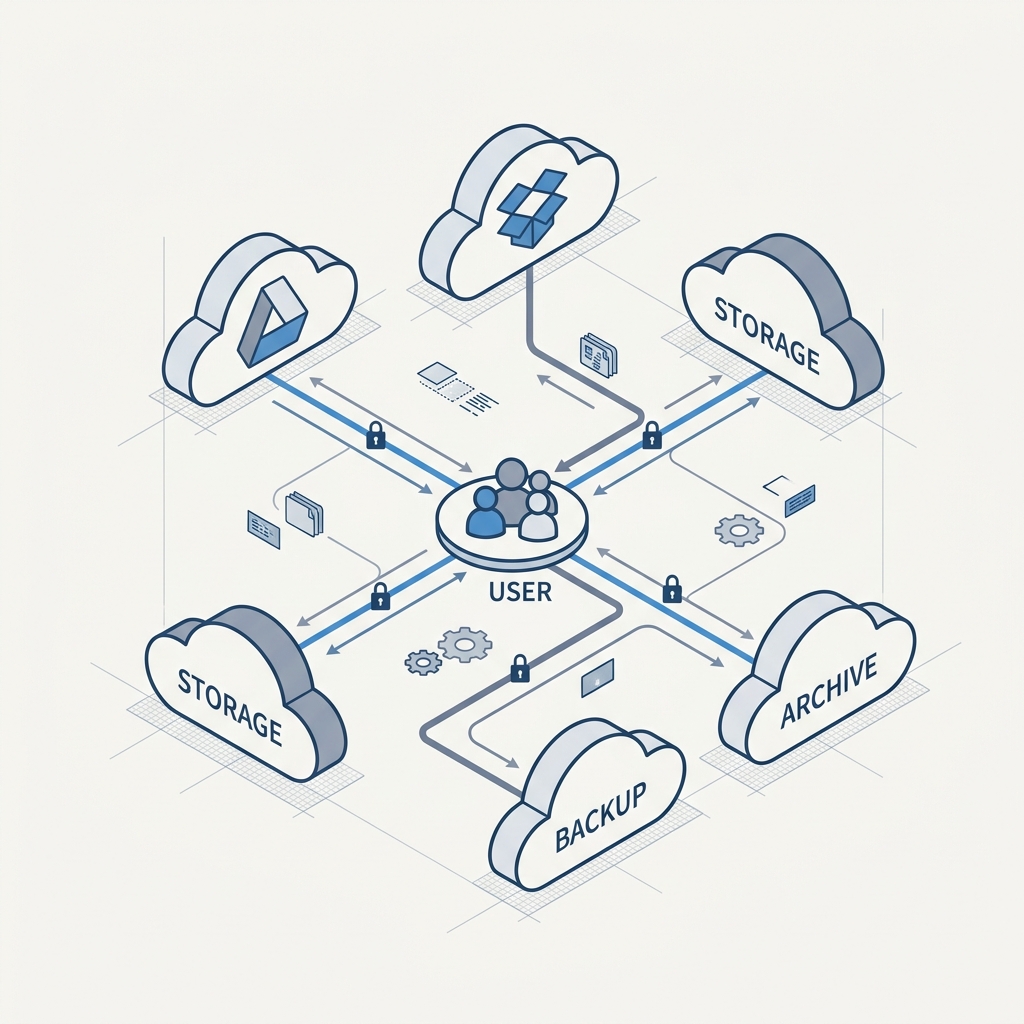
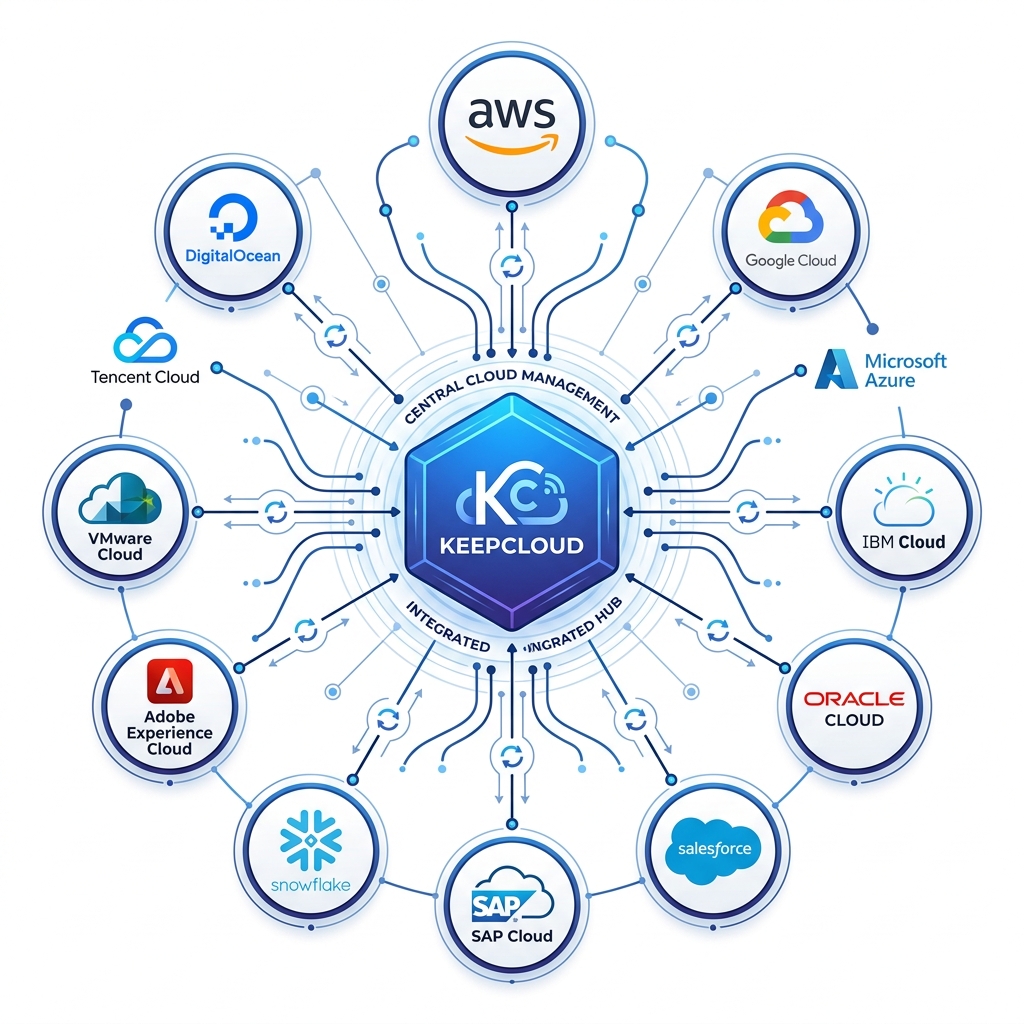
Sharing a file from Google Drive and sharing a file from Dropbox are two completely different experiences — different share dialogs, different link formats, different permission settings, different preview behaviors. KeepCloud unifies all of this into a single, consistent sharing experience, regardless of which cloud holds the original file.
Creating a share link
To share a file in KeepCloud, you select the file from your unified file browser and choose "Share". KeepCloud generates a unique, opaque share token — a short, random string that maps to your file but reveals nothing about its location, provider, or internal identifiers. The resulting share URL is clean, short, and provider-agnostic.
Two types of share links are available:
Public links work for anyone who has the URL. The recipient clicks the link and immediately sees the file preview or is prompted to download. No account, no sign-in, no friction.
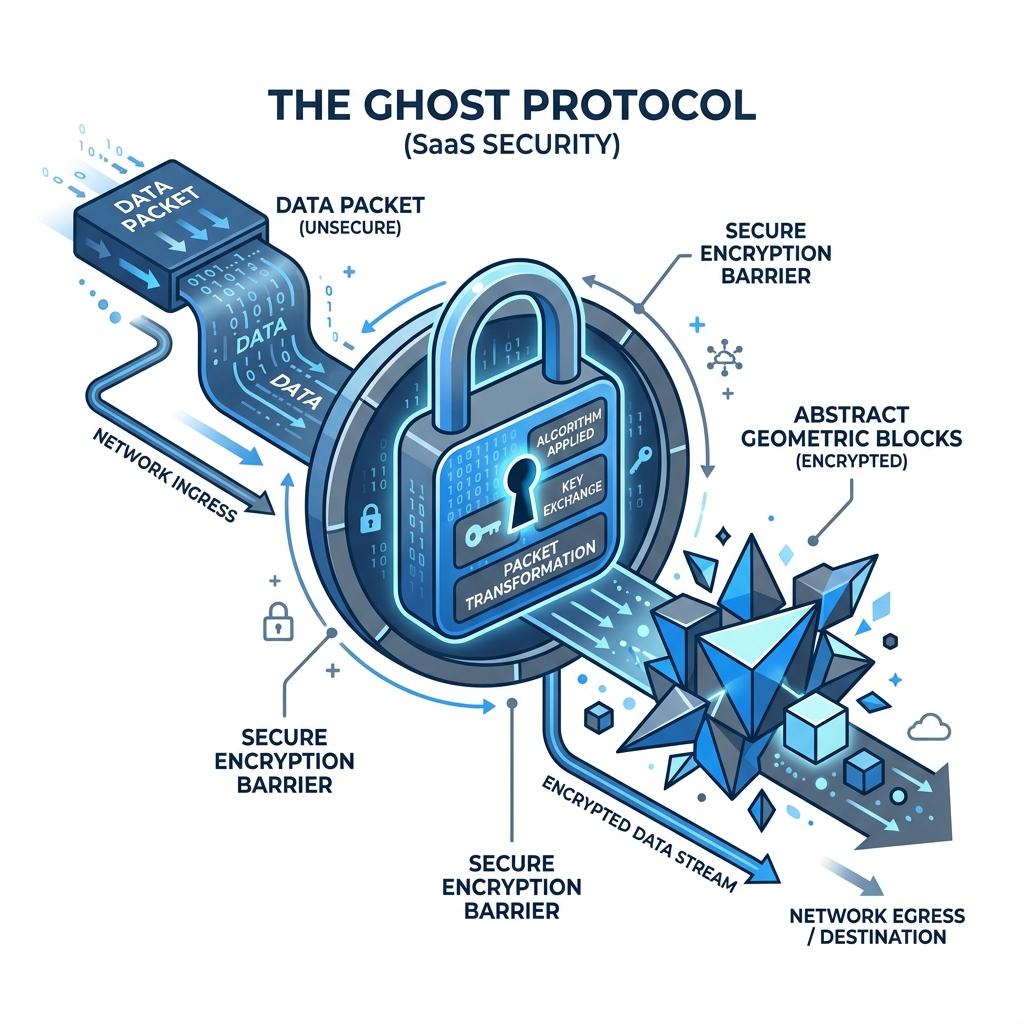
Password-protected links present a password gate before the preview is shown. You set the password when creating the link. The recipient must enter it correctly to see the file. KeepCloud stores only a secure hash of the password — never the plaintext — so even if KeepCloud's data were ever accessed by an unauthorized party, your share passwords would be unreadable.
What recipients see
When someone opens a KeepCloud share link, they see a clean, branded preview page — not a raw download prompt. The preview automatically adapts to the file type:
Images (JPG, PNG, WEBP, GIF, and others) render directly in the browser as a full-size photo viewer.
Videos (MP4, MOV, and common formats) play inline with the browser's native video player — no plugin required.
Audio files (MP3, WAV, FLAC, and others) play through an embedded audio player.
PDFs open in an embedded PDF viewer directly in the share page.
Documents, spreadsheets, and presentations display a download prompt with file details (name, size, type), making it clear what the recipient is about to download before they click.
"A share link from KeepCloud looks the same whether the file is from Google Drive, OneDrive, or Dropbox. The recipient never knows — or needs to know — which cloud holds the original."
The proxy layer
One of the more interesting technical decisions behind KeepCloud's sharing is that shared files are never served directly from the original provider's URL. All file content is routed through KeepCloud's secure proxy layer.
This solves a real problem: direct links to files on Google Drive, OneDrive, and Dropbox often embed authentication tokens that expire, region-specific CDN endpoints that may not be accessible to all recipients, and provider-specific behaviors that differ across browsers. By routing through a proxy, KeepCloud ensures a consistent, reliable preview and download experience for every recipient on every device.
The proxy validates the share token on every request. If the link is password-protected, the proxy also checks that the session holds a valid unlock credential before serving any content. Expired tokens and invalid passwords are rejected immediately.
What happens to the original file
Nothing. Creating a share link in KeepCloud does not modify the original file in any way. It does not change its permissions in Google Drive, OneDrive, or Dropbox. It does not move, copy, or duplicate the file on KeepCloud's servers. The file stays exactly where it is in your cloud storage. The share link is purely a KeepCloud-managed pointer — and you can revoke it at any time from your KeepCloud share management panel, without affecting the original file.
Revoking a share
Every share link can be revoked instantly. When you revoke a link, the share token is invalidated. Any subsequent attempt to open that link — from any device anywhere — immediately shows a "link expired" page. Recipients who already have the URL can no longer access the file through it, even if they bookmarked it. The original file in your cloud is completely unaffected.
Figure 1 — How a share link is created and resolved by the KeepCloud proxy layer.